

e-KYC in Real Estate | What It Means for the Property Market?
Digital transformation is reshaping property transactions worldwide. Today, buyers search, negotiate, and close deals online. However, identity verification often slows the process. Traditional paperwork creates delays, errors, and compliance risks.
This is where e-KYC in Real Estate changes the landscape. Electronic Know Your Customer solutions allow agencies to verify identities digitally. As a result, businesses reduce fraud, accelerate onboarding, and improve regulatory compliance. Therefore, e-KYC is becoming a core component of modern property transactions.
What Is e-KYC and How Does It Work in Real Estate?
Understanding Electronic Know Your Customer (e-KYC)
e-KYC stands for Electronic Know Your Customer. It refers to digital identity verification processes used to confirm a person’s identity online. Instead of physical document checks, systems validate customers remotely.
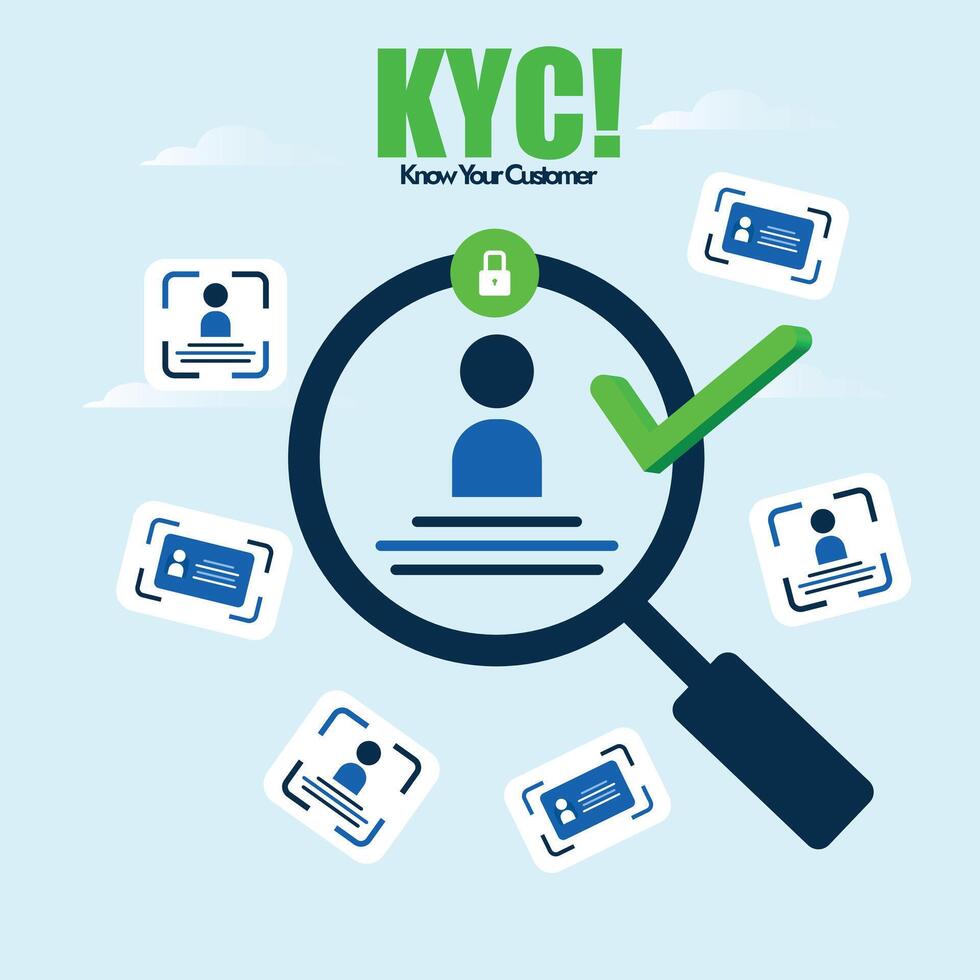
In real estate, agencies use e-KYC to verify buyers, sellers, tenants, and investors. For example, a client uploads a government-issued ID through a secure portal. The system then analyzes the document instantly. As a result, verification happens within minutes instead of days.
Traditional KYC vs e-KYC: Key Differences
Traditional KYC relies on manual document checks. Staff members review copies, store physical files, and verify details manually. Consequently, this approach consumes time and resources. In contrast, e-KYC automates the process. Digital systems scan documents, extract data, and cross-check databases instantly. Therefore, agencies reduce operational workload. Moreover, automation limits human error and improves accuracy.
Traditional verification also requires in-person meetings. However, e-KYC supports remote onboarding. This flexibility is crucial for cross-border investors and online property deals. If you want to explore real estate, especially in Malaysia, you can visit Ziba Property now.
Core Technologies Behind e-KYC (OCR, Biometrics, AML Screening)
Several technologies power e-KYC in real estate.
First, Optical Character Recognition (OCR) extracts data from ID documents. This technology reads text automatically. As a result, systems capture names, ID numbers, and expiration dates instantly.
Second, biometric verification confirms ownership of identity. Facial recognition matches the user’s selfie with their ID photo. Additionally, liveness detection ensures the person is physically present.
Third, AML and sanctions screening checks individuals against global watchlists. Therefore, agencies reduce exposure to money laundering risks.
Together, these tools create a secure digital verification framework. Please keep in mind that it might be applicable to any type of property you are going to buy, like a condominium, a house, commercial land, or offices.
Why e-KYC is Becoming Essential in Real Estate Transactions
Rising Property Fraud and AML Compliance Risks
Real estate transactions involve high-value assets. Therefore, criminals often target this sector. Fraud schemes include identity theft, forged documents, and money laundering. However, e-KYC in real estate reduces these vulnerabilities. Automated systems detect suspicious patterns quickly. Moreover, AML checks flag high-risk individuals before transactions proceed.
As regulatory oversight increases, agencies must adopt stronger verification measures. Consequently, digital compliance tools are no longer optional.
Regulatory Pressure on Real Estate Businesses
Governments worldwide enforce strict AML regulations. Real estate agencies must verify client identities and maintain audit records. Failure to comply can lead to heavy penalties. Therefore, e-KYC supports regulatory alignment. Digital systems store verification logs securely. Additionally, automated reports simplify audits.
By implementing e-KYC in real estate, businesses demonstrate due diligence. As a result, they protect their reputation and avoid legal complications.
Growth of Remote Property Transactions
Online property platforms continue to expand. Buyers now invest across borders without visiting locations physically. However, remote transactions require secure identity checks. e-KYC enables fully digital onboarding. Clients upload documents from anywhere. Consequently, agencies expand their market reach. Furthermore, remote verification enhances convenience for both parties.
How e-KYC Works in a Real Estate Transaction
Step 1: Digital Document Submission
The customer uploads an ID document through a secure interface. For example, this may include a passport or national ID card. The system encrypts the data immediately.
Step 2: Identity & Biometric Verification
Next, the platform analyzes document authenticity. It checks holograms, fonts, and embedded security features. Then, facial recognition compares the user’s selfie with the ID photo. Therefore, agencies confirm genuine ownership.
Step 3: AML and Sanctions Screening
After identity validation, the system performs AML screening. It checks global sanctions lists and politically exposed persons databases. As a result, agencies detect potential compliance risks early.
Step 4: Automated Approval & Secure Record Storage
Finally, the system generates a verification result. Approved clients proceed with property transactions. Meanwhile, the platform stores digital records securely for audits.
This streamlined process significantly accelerates deal closures.
Key Benefits of e-KYC for the Real Estate Industry
Faster Deal Closures and Remote Onboarding
Speed matters in property transactions. Delays often cause lost opportunities. However, e-KYC reduces verification time from days to minutes. Therefore, agencies close deals faster.
Reduced Operational Costs and Paperwork
Manual verification increases administrative expenses. Staff must review, copy, and store documents physically. In contrast, digital systems automate these tasks. Consequently, agencies lower operational costs.
Stronger Fraud Prevention and Risk Management
Advanced verification tools detect forged documents and impersonation attempts. Moreover, AML checks reduce exposure to illegal funds. Therefore, businesses strengthen their risk management framework.
Improved Customer Experience for Buyers and Sellers
Modern clients expect convenience. e-KYC enables secure onboarding without branch visits. As a result, customers enjoy smoother transactions. Furthermore, digital processes build trust through transparency.
Challenges and Considerations Before Implementing e-KYC
Data Privacy and Security Concerns
Handling personal data requires strict safeguards. Therefore, agencies must ensure encryption and secure storage. Additionally, compliance with data protection laws is essential.
Implementation Costs and System Integration
Although e-KYC offers long-term savings, initial implementation requires investment. Agencies must integrate verification tools with CRM systems and property platforms. However, careful planning reduces disruptions.
Regulatory Differences Across Jurisdictions
Regulations vary by country. Consequently, businesses must adapt verification procedures accordingly. Consulting legal experts helps maintain compliance across regions.
The Future of e-KYC in Real Estate
AI-Driven Risk Assessment
Artificial intelligence enhances fraud detection accuracy. Machine learning models analyze behavioral patterns. Therefore, systems identify risks more effectively.
Blockchain and Digital Identity Wallets
Blockchain technology offers tamper-proof identity storage. In the future, digital identity wallets may simplify verification processes. As a result, users control their credentials securely.
Smart Contracts and Automated Compliance
Smart contracts can integrate with e-KYC systems. Once identity verification completes, contracts execute automatically. Consequently, transactions become faster and more transparent. Not sure which neighborhood fits your lifestyle? Browse fresh listings on Ziba Property, or grab the app from the Play Store or App Store to explore options anytime, anywhere.
Frequently Asked Questions About e-KYC in Real Estate
Is e-KYC mandatory for real estate transactions?
Requirements depend on local regulations. Many jurisdictions enforce AML compliance in property deals. Therefore, agencies often adopt e-KYC to meet legal obligations efficiently.
What documents are required for e-KYC in property deals?
Most platforms require a government-issued ID. Some transactions also request proof of address or income verification. However, requirements vary by region and transaction type.
How secure is e-KYC compared to traditional verification?
e-KYC uses encryption, biometric authentication, and database screening. Therefore, it often provides stronger protection than manual checks. Additionally, automated logs enhance audit transparency.
Can e-KYC completely eliminate property fraud?
No system guarantees absolute protection. However, e-KYC significantly reduces fraud risks. Advanced detection tools identify suspicious behavior early. Consequently, agencies prevent many fraudulent attempts.
How does e-KYC speed up real estate transactions?
Automation eliminates manual review delays. Verification occurs within minutes instead of days. As a result, agencies process applications faster and close property deals efficiently.
Ready to Modernize Your Property Transactions?
e-KYC isn’t just a compliance checkbox anymore — it’s what separates agencies that close deals fast from those stuck in paperwork. Whether you’re verifying buyers, screening for AML risk, or onboarding investors remotely, the right digital tools make the difference.
At Ziba Property, we’re building a platform that keeps pace with where real estate is headed — secure, fast, and accessible from anywhere.

About the Author
Muhammad Amir writes about proptech, digital transformation, and compliance trends shaping real estate across the UAE and beyond. With a focus on practical, actionable insights, he helps agencies and agents understand how technologies like e-KYC, AI, and automation are reshaping the way property deals get done — faster, safer, and with less friction.

