HDB vs Private Condo in Singapore: What Expats Need to Know in 2026
Singapore’s residential property market recorded a 0.9% price increase in Q1 2026, with the Outside Central Region leading gains at 2.2% yet for most expats arriving in the city-state, the more pressing question isn’t how much prices have moved. It’s which type of home can I actually rent or buy?
The distinction between HDB flats and private condominiums is not merely a lifestyle preference in Singapore. It is a legally defined, regulatory boundary that shapes every expat’s housing journey. Eligibility rules, occupancy quotas, lease terms, and stamp duty obligations differ dramatically depending on your residency status and the property type you target.
This guide, produced by the Ziba Property research team, gives expats whether newly arrived Employment Pass holders, long-term Permanent Residents, or foreign nationals exploring ownership a complete, data-grounded answer to the HDB vs. private condo question in 2026.
What Are HDB Flats and Private Condominiums in Singapore?
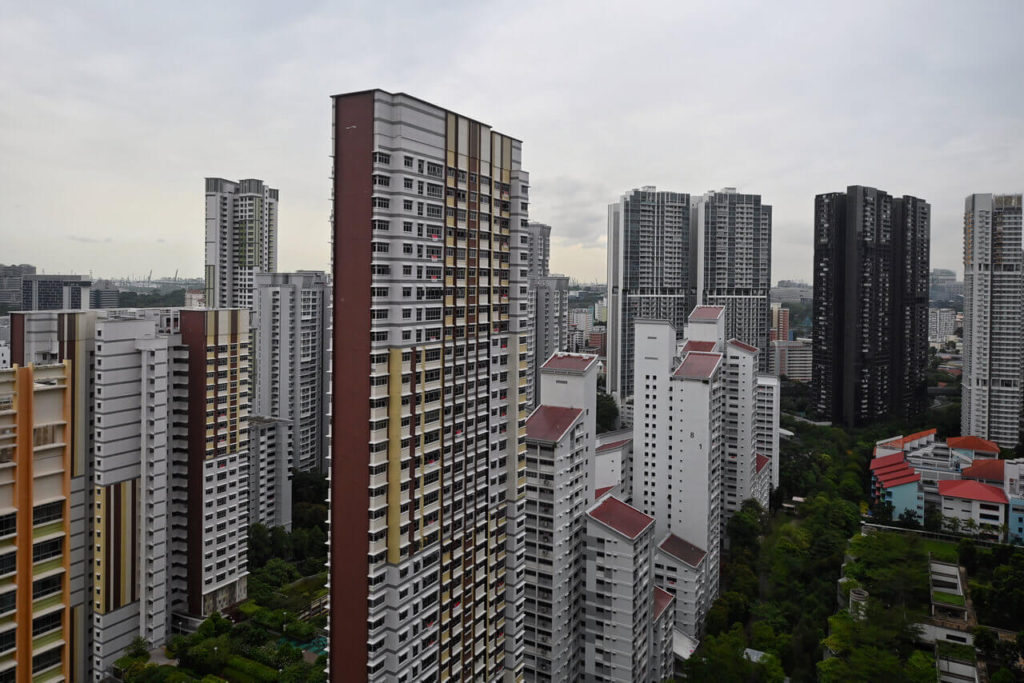
Singapore’s residential market operates on a dual-track system. The Housing Development Board (HDB) oversees the public housing segment, which accommodates approximately 80% of Singapore’s resident population. The Urban Redevelopment Authority (URA) regulates private residential development, including condominiums, apartments, and landed property.
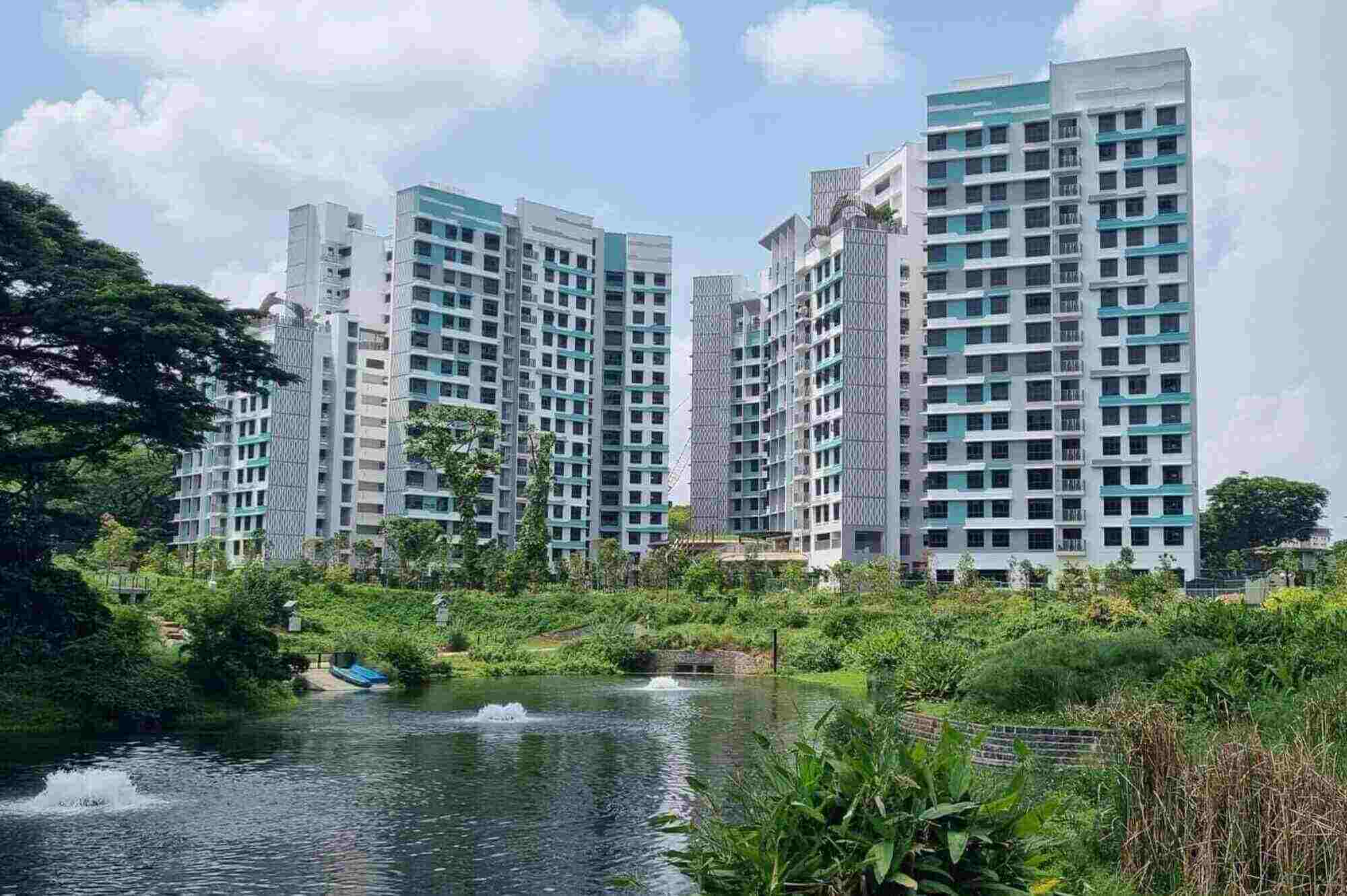
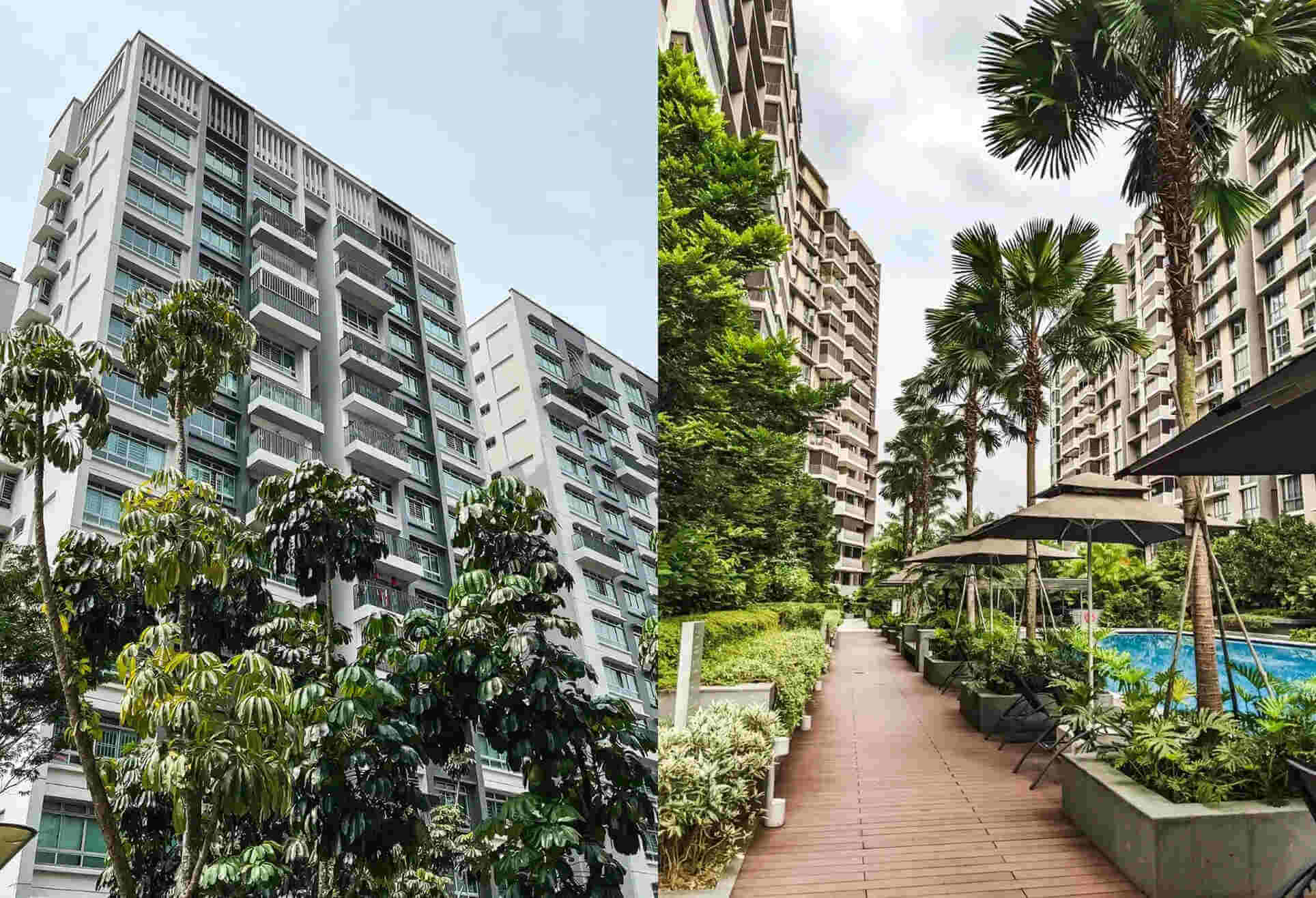
HDB flats are government-built, subsidised housing units available primarily to Singapore Citizens and, under specific conditions, Singapore Permanent Residents (PRs). Flat types range from 2-room Flexi units to large 5-room and executive apartments. Most HDB flats sit on 99-year leasehold land, with the lease beginning from the date the Housing Development Board first developed the site, a fact that carries significant long-term value implications.
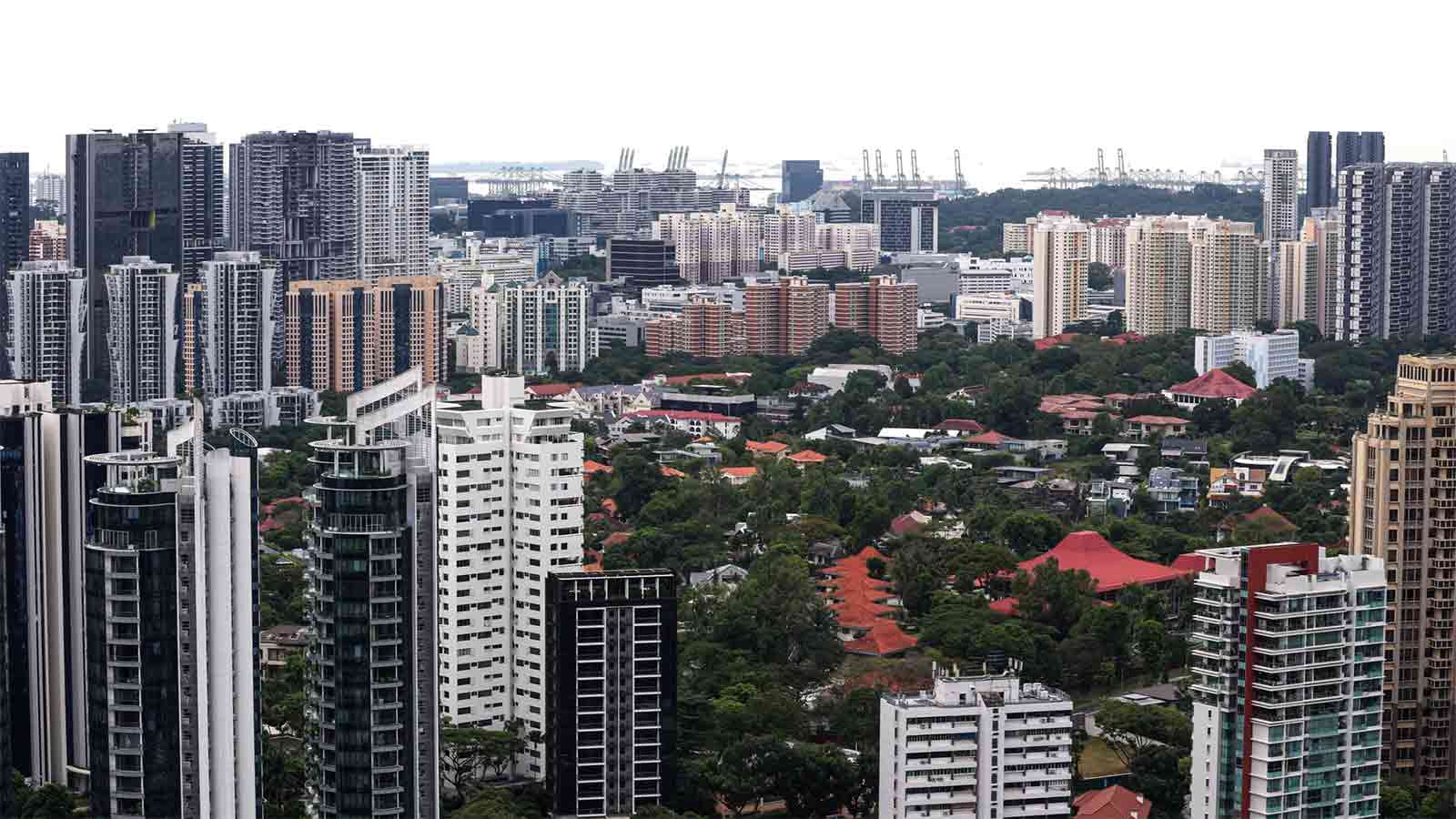
Private condominiums are strata-titled residential developments built by private developers on land parcels sourced through the URA’s Government Land Sales (GLS) programme. They offer facilities such as swimming pools, gymnasiums, and 24-hour concierge, and are legally accessible to foreign buyers and tenants without the eligibility constraints that govern HDB. Tenure varies: many condominiums in districts like Orchard Road and Marina Bay are freehold or 999-year leasehold, while projects in Jurong and the Outside Central Region are commonly 99-year leasehold.
The en bloc sale mechanism where an entire development is collectively sold to a developer for redevelopment applies to private condominiums and is an important consideration for long-term investors assessing capital appreciation potential.
Singapore’s 2026 Property Market: Prices, Districts, and What the URA Data Says
A Market Showing Selective Strength Across Regions
The URA Property Price Index for private residential properties reached 216.4 points in Q4 2025, its highest recorded level, before moderating to a 0.3% quarter-on-quarter gain in Q1 2026. Non-landed private homes, the category that includes condominiums — rebounded with a 1% gain in Q1 2026, recovering from a minor dip in the prior quarter.
Gross rental yields on private condominiums currently sit in the 3.0–3.8% range, according to Q1 2026 URA data, a figure that continues to attract institutional investors and family offices seeking stable, Singapore-dollar-denominated income. Monthly rents for private condominiums in the Central Business District average S$6,000, while city-fringe and suburban projects in areas like Jurong East command S$3,500–S$4,500 depending on unit size.
District-level variation is sharp. CCR projects — encompassing Orchard Road, Marina Bay, and Sentosa Cove — command PSF values of S$2,800–S$4,500 for prime new launches. The OCR remains the most accessible entry point at S$1,600–S$2,200 PSF.
For expats renting rather than buying, HDB flats in mature estates average S$2,800–S$4,000 per month for 3-to-5-room units, while private condominiums range from S$4,000 to S$8,000 monthly — a premium that reflects facilities, fewer restrictions, and the absence of occupancy quotas. The URA Master Plan continues to support long-term demand in emerging nodes like the Greater Southern Waterfront and the Jurong Lake District, both of which sit within zones identified for major commercial and residential growth over the next two decades.
Figures quoted are approximate market estimates based on current data and are subject to change. Always verify current pricing and costs directly with a CEA-licensed agent before making any housing decision.
The Expat Rulebook: Eligibility, ABSD, and What You Can Actually Do
Renting as an Expat: HDB vs. Private Condo
For most expats, renting is the entry point to Singapore housing. The rules diverge immediately between property types.
Private condominiums impose no nationality restrictions on tenants, require no government approval, and carry a minimum tenancy period of three consecutive months under URA guidelines. An Employment Pass or S Pass holder can sign a lease on a condo in Orchard Road or Marina Bay with no quota considerations. This flexibility makes private condominiums the default housing solution for internationally mobile professionals.
HDB flats are available for expat rental, but with meaningful constraints. The Housing Development Board requires landlords to obtain formal approval before renting to non-citizens, and the Non-Citizen Quota governs availability at the neighbourhood (8%) and block (11%) level. In popular expat enclaves near Tanjong Pagar MRT and Dhoby Ghaut, these quotas fill quickly. HDB also mandates a minimum rental period of six months per application.
Eligible pass types for HDB rental include the Employment Pass, S Pass, Dependent Pass, and Long-Term Social Visit Pass — but the pass must have at least six months’ remaining validity at the point of signing.
Buying Property: The ABSD Reality for Foreign Nationals
Purchasing property in Singapore as a foreigner means navigating the Additional Buyer’s Stamp Duty (ABSD) framework — one of the world’s most targeted demand-side cooling measures.
Foreigners cannot buy HDB BTO flats, HDB resale flats, or new Executive Condominiums under any circumstance. The ABSD for foreigners is 60% of the property purchase price, on top of Buyer’s Stamp Duty of up to 6%. On a S$2 million condominium in the Core Central Region, a foreign buyer faces S$1.2 million in ABSD alone.
There is one significant exception. US citizens, Swiss, Icelanders, Liechtensteiners, and Norwegians pay ABSD at Singapore Citizen rates under Free Trade Agreements — currently 0% on a first purchase. For nationals of these five countries, the Singapore private condominium market becomes considerably more accessible from a cost perspective.
Singapore Permanent Residents occupy a different tier. As of 2026, a PR purchasing a S$1.5 million condominium as their first property pays S$75,000 in ABSD. On a second property worth S$2 million, the ABSD bill rises to S$600,000. PRs may purchase HDB resale flats — but not new BTO flats — and must observe the standard Minimum Occupation Period (MOP) of five years.
Lease Tenure and Long-Term Value Considerations
The 99-year leasehold structure introduces a lease decay dynamic that expat buyers must understand. As a leasehold property ages past the 60-year mark, CPF Housing Grant usage for purchase becomes restricted, bank financing tightens, and resale demand narrows. Freehold condominiums — concentrated in Districts 9, 10, and 11 along Orchard Road — command a structural premium precisely because they are not subject to this decay.
For expats purchasing with a 10–15 year hold horizon, a 99-year leasehold condo with strong locational fundamentals can still generate solid returns. The key variable is the URA Master Plan designation of the surrounding area: properties within confirmed growth corridors, such as the Jurong Lake District or the Bayshore precinct, benefit from long-term infrastructure investment that supports price resilience.
Frequently Asked Questions: HDB vs. Private Condo for Expats
Can expats on an Employment Pass rent an HDB flat in Singapore?
Yes, but with conditions. The landlord must hold Singapore Citizenship and have completed the Minimum Occupation Period. HDB approval is mandatory before the tenancy begins, and the non-citizen quota at the block and neighbourhood level must not be exceeded. In high-demand estates, quota limits are often reached — always verify through the HDB e-Service portal before paying a deposit.
What is the minimum lease period for a private condo vs. an HDB flat?
Private condominiums carry a minimum tenancy of three consecutive months under URA rules. HDB flats require a minimum tenancy of six months per approved rental application. Expats on short-term assignments or initial relocation periods typically find private condominiums the only viable option.
Can a foreigner buy a private condo in Singapore?
Yes. Private strata-titled condominiums and apartments are fully open to foreign buyers. The cost, however, is substantial: ABSD of 60% applies to all foreign nationals not covered by an FTA exemption, plus Buyer’s Stamp Duty of 1–6% on the purchase price.Browse properties for sale Singapore
Are Executive Condominiums open to expat buyers?
Executive Condominiums begin as hybrid public-private flats with a 10-year Minimum Occupation Period and citizenship restrictions. After year 11 — when the EC is fully privatised — it is treated like any private condominium and may be purchased by foreigners. Recent examples include Privé and Lush Acres. For expats, this represents a value-entry pathway at lower PSF than comparable new launches.
Which Singapore districts offer the best rental value for expats?
Expats prioritising lifestyle and CBD proximity concentrate in Districts 9 (Orchard Road), 10 (Bukit Timah, Holland Village), and 1–4 (Marina Bay, Tanjong Pagar). Families with school-age children often target Districts 10 and 11 for access to international schools. Expats seeking more space per dollar look to Jurong and the West, where OCR condominiums offer 2- and 3-bedroom units at meaningfully lower monthly rents with strong MRT connectivity.
What happens if an expat rents an HDB flat without proper approval?
Both the landlord and the tenant can face penalties. The Housing Development Board treats unauthorised subletting as a serious breach — landlords risk compulsory acquisition of their flat. Always request a copy of the HDB approval letter before paying any deposit.
HDB vs Private Condo: Side-by-Side Comparison
The table below summarises the key differences expats need to know when choosing between HDB and private condominium housing in Singapore.
| Factor | HDB Flat | Private Condo |
|---|---|---|
| Expat Eligibility (Rent) | Yes, with HDB approval + quota check | Yes, no restrictions |
| Expat Eligibility (Buy) | Not permitted for foreigners | Yes (ABSD of 60% applies) |
| Min. Rental Period | 6 months | 3 months |
| Avg. Monthly Rent | S$2,800–S$4,000 (3–5 room) | S$4,000–S$8,000+ |
| Monthly Maintenance / S/C Fees | S$20–S$90 (town council fees) | S$300–S$800 per month |
| Facilities | Basic (void deck, playgrounds) | Pool, gym, 24-hr concierge, BBQ |
| Tenure | 99-year leasehold | Freehold, 999-year, or 99-year |
| Non-Citizen Rental Quota | Yes (8% neighbourhood / 11% block) | None |
Monthly Costs Beyond Rent: What Expats Often Overlook
Rent is only part of the monthly housing equation in Singapore. Expats budgeting for a move should factor in the following recurring costs:
Strata Title / Maintenance Fees (Private Condo): Monthly service and conservancy charges for private condominiums typically range from S$300 to S$800 per month depending on development size, age, and facilities. Larger, older developments with extensive grounds and fewer units to share costs tend to sit at the higher end. These fees are normally paid by the owner and may or may not be reflected in the headline rental figure — always confirm with your agent.best undertaken with the support of experienced real estate agents Singapore who are aligned to your specific timeline and financial objectives
Town Council Fees (HDB): HDB residents pay town council service and conservancy charges, which are considerably lower — typically S$20 to S$90 per month for a 3- to 5-room flat depending on flat type and town council. These are paid by the owner/landlord.
Utilities: Electricity, water, and gas bills for a 2-bedroom unit average S$150 to S$250 per month. Air conditioning usage is the dominant driver of electricity costs in Singapore’s tropical climate. New condominiums with 5-tick energy-rated systems run materially cheaper than older units with legacy HVAC.
Property Tax for Buyers: Owner-occupiers pay property tax at progressive rates on annual value. For an owner-occupied private condominium with an annual value of S$36,000, the effective property tax rate in 2026 is approximately 4%. Non-owner-occupied (investment) properties are taxed at higher rates of 12% to 36% of annual value under the revised residential property tax framework effective from 2024.
Furnished vs Unfurnished: What Expats Need to Know
Singapore landlords typically offer rental units in one of three conditions: fully furnished, partially furnished, or unfurnished. The furnishing level is negotiable and directly affects the monthly rent.
Fully Furnished units include all white goods (refrigerator, washer/dryer, air conditioning units), beds, sofas, dining sets, and typically a TV. These command a 10–20% rental premium but are ideal for expats on short postings, those arriving without household effects, or professionals whose employers cover housing allowances tied to furnished units.
Partially Furnished units typically include air conditioning, light fittings, and a kitchen with built-in cabinetry. Beds, sofas, and moveable furniture are absent. This is the most common configuration in the Singapore market and suits expats relocating with shipping containers.
Unfurnished units are bare shell — no air conditioning, no fittings, no appliances. These are rare in the expat rental market but may surface in older HDB resale blocks. Expats taking on unfurnished units should budget $15,000–$30,000 for furnishing a 3-bedroom unit from scratch.
Note on Serviced Apartments and Co-Living: Newly arrived expats on short-term assignments or those waiting for a longer-term rental to be secured often use serviced apartments as a bridge. Properties such as Ascott, Citadines, and lyf by Ascott offer flexible tenancies from one week upwards and include utilities, Wi-Fi, and housekeeping. Rates range from S$4,000 to S$9,000 per month for a 1-bedroom unit depending on location and duration. Co-living operators such as Hamlet and Cove offer furnished rooms and shared amenities in prime districts at lower entry price points, typically S$1,800–S$3,000 per month including utilities.
Top Expat Neighbourhoods and International School Proximity
Location decisions for expat families frequently centre on school catchment areas and commute times to the CBD. The following districts represent the primary residential clusters for Singapore’s international community.
Districts 9 & 10 (Orchard Road, Holland Village, Tanglin): The traditional expat heartland. Holland Village offers a vibrant F&B scene favoured by younger professionals; Tanglin and Nassim provide larger private homes for senior executives. Proximity to ISS International School and Tanglin Trust School makes this corridor a consistent first choice for families. Average condo rents range from $5,500 to $10,000+ for 3-bedroom units.
District 11 (Novena, Newton): A more affordable alternative to District 10 with strong MRT connectivity (Novena, Newton, and Stevens stations on the North-South and Thomson-East Coast lines). Singapore American School and several international campuses are accessible within 15 minutes. Mid-market condo rents average $4,500–$7,000 per month.
Districts 1–4 (Marina Bay, Tanjong Pagar, CBD): Preferred by single professionals and couples without school-age children. Marina Bay Residences, The Sail, and Icon offer walkable access to the financial district. Rents for 1- to 2-bedroom units run $4,500–$8,000 per month. The area has limited international school proximity but excels in transit convenience.
Buona Vista / One-North (District 5): Emerging as a cluster for tech and biomedical expats working in the Biopolis and Fusionopolis campuses. Access to the United World College of South East Asia (Dover campus) is a draw for families. Rents are meaningfully lower than Districts 9–11 while maintaining strong MRT access via the Circle and East-West lines.
Sentosa Cove (District 4) — Note for Buyers: Sentosa Cove is the only location in Singapore where foreign nationals may purchase landed residential property (bungalows and semi-detached houses). This exception to the general prohibition on foreign ownership of landed property makes Sentosa Cove a unique consideration for high-net-worth expat buyers seeking a permanent base. ABSD at 60% still applies, and annual property tax rates are substantial, but the Cove offers marina berths, resort amenities, and a lifestyle product unavailable elsewhere in the Singapore market.
Summary: Choosing the Right Property Type as an Expat in Singapore
Singapore’s property market is one of the most tightly regulated in Asia — and for expats, that regulation has material consequences for what you can rent, buy, and own. The key takeaways from this guide are as follows.
For most expat renters, private condominiums offer the simplest path — no quota constraints, shorter minimum tenancies, and no government approval process. HDB rentals are a genuine cost-saving option for those on longer assignments prepared to navigate the approval process and quota availability.
For expat buyers, the 60% ABSD is the defining constraint. Nationals of the US, Switzerland, Iceland, Liechtenstein, and Norway enjoy FTA-rate ABSD at 0% on a first purchase, making the Singapore condo market considerably more accessible for these nationalities. All other foreign buyers must model the ABSD cost into their acquisition analysis before committing.
Singapore Permanent Residents occupy a privileged middle ground — able to buy HDB resale flats (subject to MOP), eligible for private condominiums at reduced ABSD rates, and positioned to build long-term housing equity in one of the world’s most stable property markets.
Whatever your residency status, the combination of ABSD planning, district selection, lease tenure analysis, and monthly cost modelling is best undertaken with professional guidance aligned to your specific timeline and financial objectives.
Why Expats Work with Ziba Property for Singapore Housing
Navigating Singapore’s property landscape involves more regulatory touchpoints than most expat housing markets globally. ABSD calculations, HDB quota checks, CPF Housing Grant eligibility, MOP timelines, and URA Master Plan zoning all interact to shape what is — and what is not — a sound housing decision for your specific residency status and timeline.
Ziba Property brings together licensed Singapore real estate professionals with deep expertise in the expatriate housing segment. Our team tracks URA transaction data, monitors new launch pipeline across all three market regions, and maintains current knowledge of HDB Board circulars and IRAS stamp duty guidelines so that every client engages the market with accurate, current information.
Whether you are a newly arrived professional seeking a private condominium rental near Orchard Road, a Permanent Resident evaluating your first HDB resale purchase, or a foreign national structuring a condominium acquisition with FTA-rate ABSD, Ziba Property provides data-grounded, jurisdiction-specific guidance — not generic advice.
Our work spans the Central Region, the Jurong corridor, Marina Bay new launches, Sentosa Cove landed property, and everything in between. We understand that for expats, a property decision in Singapore is rarely just about four walls. It is about schools, commute times, lease flexibility, and — for buyers — building a financial position in one of Asia’s most stable real estate markets.
Ready to invest internationally? Discover vetted property opportunities and Golden Visa pathways at ziba-property.com

About the Author
Muhammad Amir is a property consultant at Ziba Property, working with international buyers navigating real estate markets across the Gulf and Southeast Asia. He specialises in helping foreign nationals understand ownership laws, identify suitable listings, and structure purchases around their financial and residency goals.