

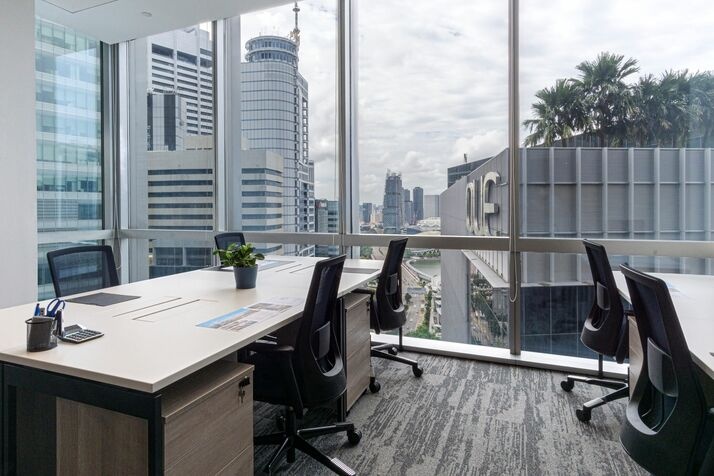
Office for Sale in Singapore Commercial Office Buyers Guide
Singapore has become one of Asia’s most important commercial and financial centres. Its strategic location, developed infrastructure, business-friendly environment and international connectivity make it an attractive destination for companies, entrepreneurs and commercial property investors.
For businesses planning to establish a permanent presence or investors looking to diversify their portfolios, purchasing an office in Singapore can be an important long-term decision.
However, finding the right office involves more than comparing property prices. Buyers need to consider location, building quality, ownership structure, approved property use, accessibility, maintenance expenses and potential rental income.
Whether you are looking for a strata-titled office unit, an entire office floor or a shophouse office, Singapore offers several options across established business districts and emerging commercial locations.
This guide explains what buyers should understand before purchasing an office in Singapore, including key locations, property types, investment considerations, additional costs and the buying process.
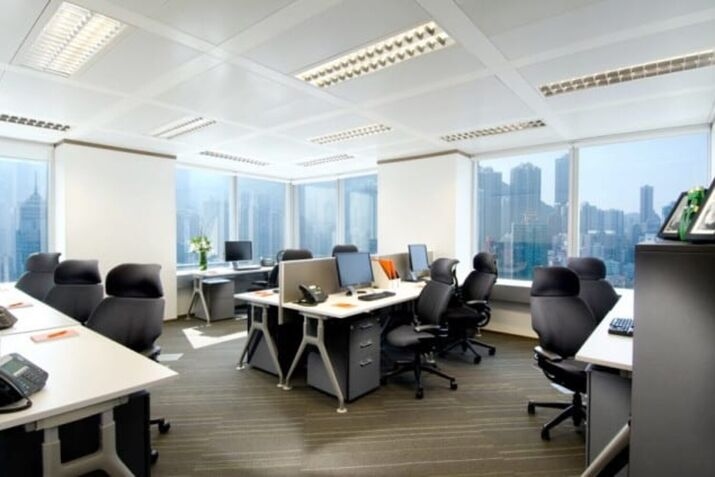
Why Buy an Office in Singapore?
Singapore offers a well-developed commercial property environment supported by established financial institutions, multinational corporations, professional services companies and technology businesses.
For business owners, purchasing office space can provide greater control over the workplace. Instead of relying entirely on rental agreements, companies can establish a permanent business address, customise their premises and plan operations around a property they own.
Commercial property ownership can also provide investment opportunities. Investors may purchase an office unit for their own use, lease it to another business or hold it as part of a diversified property portfolio.
Several factors contribute to Singapore’s appeal:
- Business connectivity: Singapore’s international airport, transport network and regional connections support companies operating across the Asia-Pacific region.
- Established commercial districts: Locations such as Raffles Place, Marina Bay and Tanjong Pagar accommodate financial institutions, multinational companies and professional service providers.
- Business infrastructure: Modern office developments provide facilities such as high-speed connectivity, meeting areas, security systems and integrated building management.
- Investment opportunities: Commercial properties offer different ownership structures, building grades, rental arrangements and investment strategies.
- Regulatory framework: Institutions such as the Urban Redevelopment Authority (URA), the Inland Revenue Authority of Singapore (IRAS) and the Singapore Land Authority (SLA) oversee key aspects of planning, taxation and land registration.
For a broader understanding of commercial property ownership and investment strategies, explore our guide to investing in commercial real estate.
However, any purchase should be based on financial calculations and property-specific due diligence, not on the general reputation of the Singapore property market.
Singapore Office Property Market: What Buyers Should Know in 2026
Understanding market conditions is essential when evaluating an office for sale in Singapore. Commercial property prices, rental performance, occupancy and future supply can influence both investment returns and business ownership costs.
According to the Urban Redevelopment Authority’s third-quarter 2026 real estate statistics, office property prices increased by 0.8% during the quarter. Office rents also rose by 0.8%, while the island-wide office vacancy rate fell from 11.0% to 10.0%.
URA also reported approximately 875,000 square metres of gross floor area in the office development pipeline at the end of the third quarter.
The premium office segment recorded notable activity. CBRE reported that Core Central Business District (CBD) Grade A office rents increased by 2.0% quarter-on-quarter to S$12.75 per square foot per month in Q3 2026, while vacancy in this segment declined to 2.6%.
These figures cover different market segments: URA’s vacancy figure covers the island-wide office market, whereas CBRE’s figure concerns Core CBD Grade A offices.
Market data note: The monthly rent of S$12.75 per square foot is a reported market average, not an asking rent or a guaranteed rate for any individual property. Prices and rents vary with location, building quality, lease terms and transaction conditions. Always confirm current figures before making a purchasing or investment decision.
For additional market context, read our Singapore property market outlook for 2026.
For investors, these conditions make it particularly important to weigh the purchase price against achievable rental income, building expenses and the property’s long-term leasing potential.
Types of Office Properties Available in Singapore
Before searching for an office for sale in Singapore, buyers should understand the different commercial property categories. Each type has its own ownership structure, operational characteristics and investment considerations.
1. Strata-Titled Office Units
Strata-titled offices are individual commercial units within a larger development. Buyers own a particular unit rather than the entire building.
These properties are often considered by small and medium-sized enterprises, professional firms and individual commercial investors.
Their advantages can include:
- Ownership of an individual commercial unit.
- A range of unit sizes and configurations.
- Access to shared building facilities.
- Potential rental opportunities.
- Lower total acquisition costs than purchasing an entire office building.
However, buyers should review management fees, sinking fund contributions, the management corporation’s by-laws and the remaining land tenure.
2. Whole-Floor Office Properties
Whole-floor offices suit established companies, regional headquarters and organisations that need larger working environments.
They provide more flexibility in designing internal layouts, meeting rooms, departmental areas and collaborative workspaces.
Businesses can also benefit from greater control over access, workplace branding and operational arrangements.
3. Grade A and Grade B Offices
Grade A offices generally offer premium specifications, modern infrastructure, professional building management and prestigious business addresses.
Grade B offices may provide more affordable alternatives while still offering practical commercial facilities.
The right choice depends on the organisation’s requirements, employee needs, customer expectations and available capital.
4. Shophouse Offices
Singapore’s traditional shophouses can also provide distinctive commercial premises. These buildings particularly appeal to professional practices, boutique firms and organisations seeking a recognisable address.
However, shophouse properties require careful investigation of conservation requirements, approved uses, building condition and renovation restrictions.
5. Business Park Offices
Business parks provide commercial environments designed for selected business activities, including technology, research, innovation and corporate operations.
Locations such as one-north, Changi Business Park and the International Business Park in Jurong East offer alternatives to traditional CBD offices.
Many business park properties sit on JTC land, which can restrict who may buy or occupy them. Businesses considering these developments should review each property’s planning conditions, permitted activities, ownership restrictions and accessibility.

Best Locations to Consider When Buying an Office in Singapore
Location directly influences office accessibility, employee convenience, business visibility and rental demand.
Raffles Place and Downtown Core
Raffles Place is one of Singapore’s most recognisable financial districts. It is home to major banks, investment companies, professional service providers and corporate offices.
Its central location and access to public transport make it attractive to businesses that regularly work with financial institutions and corporate clients.
Marina Bay
Marina Bay is an established premium commercial destination with modern office developments and a strong corporate presence.
Buildings such as Marina Bay Financial Centre and Asia Square contribute to the district’s international business identity.
This location may suit financial institutions, multinational companies, professional firms and businesses that prioritise premium office environments.
Shenton Way and Tanjong Pagar
Shenton Way and Tanjong Pagar are established office locations within Singapore’s wider CBD.
The area accommodates financial services, consultancy firms, technology companies and other corporate occupiers. Developments such as Guoco Tower add to the area’s commercial infrastructure.
Paya Lebar
Paya Lebar has developed into an important commercial location outside the traditional CBD.
Its transport connectivity and commercial developments make it relevant for companies seeking accessible office premises without needing a prestigious financial-district address.
Jurong East and Jurong Lake District
Jurong East is an important commercial and regional business location in western Singapore.
It may suit companies in logistics, industrial and professional services, as well as businesses whose employees live in western Singapore.
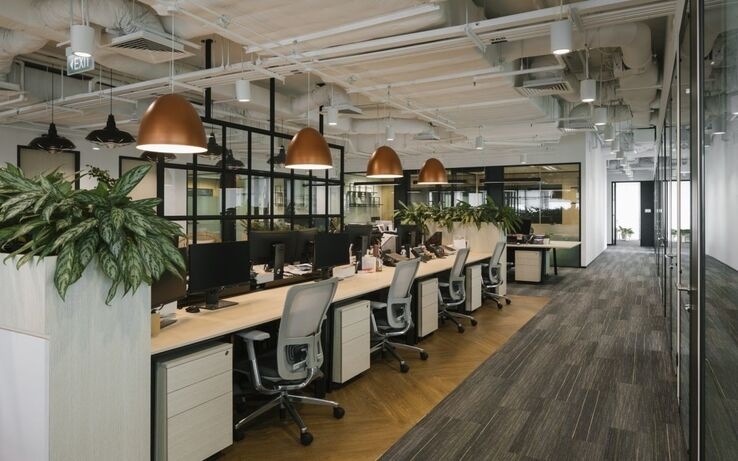
Is Buying an Office in Singapore a Good Investment?
Buying an office can provide rental income and long-term capital appreciation, but commercial property investment involves risks that should be evaluated carefully.
One important factor is rental yield. Investors should measure annual rental income against the property’s total acquisition cost, including stamp duty and fees, rather than the purchase price alone.
Gross Rental Yield = (Annual Rental Income ÷ Total Acquisition Cost) × 100
For a more realistic assessment, investors should also calculate net rental yield by deducting recurring expenses such as maintenance fees, insurance, property tax and allowances for vacancy.
Other important considerations include:
- Tenant demand: Offices in established commercial locations may attract a wider range of potential tenants. Actual demand depends on building quality, rental expectations and market conditions.
- Lease tenure: The remaining lease period can influence financing, valuation, resale opportunities and the property’s appeal to future buyers.
- Building condition: Older properties may require additional investment in air-conditioning, lifts, electrical infrastructure and common facilities.
- Rental stability: An existing tenant can provide income visibility, but buyers must examine the tenancy agreement, rental payment history and remaining lease period.
- Resale potential: Properties with practical layouts, accessible locations and competitive pricing may appeal to a broader range of future buyers.
Investors can also explore our guide to successful rental investing to understand how tenant selection, rental planning and property management contribute to investment performance.
A good investment is not necessarily the most expensive office or the one in the most prestigious district. It is the property whose acquisition cost, income potential and long-term risks align with the investor’s financial objectives.
Costs and Taxes When Purchasing Commercial Office Property
The purchase price is only one part of the total investment required to acquire commercial property in Singapore.
Buyer’s Stamp Duty (BSD)
Buyer’s Stamp Duty applies to purchases of commercial property in Singapore. According to IRAS, the duty is calculated on the purchase price or market value, whichever is higher.
Non-residential BSD is progressive, with marginal rates ranging from 1% to 5%. Buyers should check the latest rates and include this cost before finalising their acquisition budget.
Additional Buyer’s Stamp Duty (ABSD)
Singapore’s ABSD framework applies to purchases of residential property. Commercial property generally falls outside this framework, although the classification of mixed-use property requires careful examination.
Overseas purchasers should also understand the relevant ownership and tax rules. Our guide to Singapore stamp duty for foreigners provides additional background.
Goods and Services Tax (GST)
The GST treatment of commercial property differs from that of residential property.
GST, currently 9%, generally applies when a GST-registered seller sells or leases non-residential property. Buyers should confirm whether GST applies to their transaction and whether they can claim it back as input tax.
Other Ownership Expenses
In addition to taxes, buyers should budget for:
- Legal and conveyancing fees.
- Property valuation and financing costs.
- Monthly maintenance contributions.
- Sinking fund payments.
- Property tax and insurance.
- Renovation and fit-out expenses.
- Repairs and ongoing building maintenance.
- Potential vacancy and leasing costs.
A detailed cost breakdown gives a more accurate picture of the actual financial commitment.
Essential Checks Before Purchasing an Office
A property may look attractive during a viewing, but buyers should verify its legal, physical and operational characteristics before committing.
Verify Property Title and Ownership
Review the ownership structure, title information, tenure and any registered interests affecting the property.
The Singapore Land Authority provides land title information through its Integrated Land Information Service (INLIS).
Check Approved Property Use
The Urban Redevelopment Authority regulates land use and development planning in Singapore.
Before purchasing, confirm that the property is approved for office use and that your intended business activity is permitted.
Changing the use of premises may require planning permission. Buyers should check the applicable URA Master Plan zoning and obtain professional advice before proceeding.
Review Building Management and Maintenance
For strata-titled office units, investigate the management corporation’s financial position, maintenance contributions, sinking fund and by-laws.
Inspect Physical Condition and Facilities
A proper inspection should cover:
- Air-conditioning and ventilation.
- Electrical installations.
- Fire safety systems.
- Lift availability and performance.
- Internet and telecommunications infrastructure.
- Toilets and shared facilities.
- Parking arrangements.
- Building security and access control.
Where appropriate, obtain an independent building inspection before completing the transaction.
Examine Existing Tenancy Agreements
If you are buying an office with an existing tenant, review the tenancy agreement carefully.
Important details include rental payments, lease expiry, security deposits, renewal options, maintenance responsibilities and termination conditions.
Buyers can also consult our guide on minimising real estate investment risks for further considerations when evaluating a property purchase.
How to Buy an Office in Singapore: Step-by-Step Process
Step 1: Define Your Requirements
Determine the purpose of the purchase. Decide whether you need an office for your own business, a rental investment or a long-term commercial asset.
Establish your preferred locations, budget, required floor area and building specifications.
Step 2: Compare Available Properties
Search commercial property listings and compare office units by price per square foot, building quality, location, tenure and facilities.
Step 3: Arrange Property Viewings
Inspect shortlisted properties to evaluate their layout, accessibility, natural light, building maintenance and suitability for your business operations.
Step 4: Assess Financial Viability
Calculate the total acquisition cost, financing requirements, stamp duty, GST implications and ongoing expenses. For investment properties, estimate achievable rental income and net rental yield.
Step 5: Conduct Legal and Technical Due Diligence
Engage a property lawyer and other relevant professionals to review the title, ownership, planning permissions, tenancy arrangements and building condition.
Step 6: Complete the Purchase
Once the commercial terms and due diligence are satisfactory, proceed with the option to purchase and the sale and purchase agreement with professional legal assistance.
Buyer’s Stamp Duty must be paid within 14 days of exercising the option to purchase or signing the sale and purchase agreement. Ensure all duties, payments and completion requirements are properly addressed.
Frequently Asked Questions About Offices for Sale in Singapore
Can foreigners buy office property in Singapore?
Yes. Foreigners can generally buy commercial office property in Singapore without government approval, because the Residential Property Act restricts residential property only. Mixed-use developments with residential components may be subject to different rules, so confirm the property type and ownership conditions with a Singapore conveyancing lawyer before proceeding.
What is the difference between a strata office and a whole-floor office?
A strata office is an individually owned unit within a larger development. A whole-floor office involves purchasing an entire floor, offering more space and greater control over the workplace layout.
Does commercial office property attract ABSD?
No. ABSD applies to residential property purchases, and commercial property generally falls outside this framework. However, mixed-use property classification requires careful examination, and Buyer’s Stamp Duty still applies to commercial purchases.
How can I calculate the rental yield of an office?
Divide the annual rental income by the total acquisition cost, then multiply by 100 to calculate gross rental yield. For net rental yield, deduct operating expenses and allow for potential vacancy.
What should I check before purchasing a strata-titled office?
Check the property title, remaining lease, approved use, management fees, sinking fund, management corporation (MCST) by-laws, building condition and any existing tenancy agreements.
Which Singapore location is best for purchasing an office?
Raffles Place and Marina Bay may suit businesses requiring premium CBD addresses. Tanjong Pagar and Shenton Way offer established commercial locations, while Paya Lebar and Jurong East provide alternatives outside the traditional CBD.
The best location depends on your budget, workforce, customers and operational requirements.
What additional costs should I consider when buying an office?
Buyers should budget for Buyer’s Stamp Duty, any applicable GST, legal fees, valuation fees, maintenance contributions, property tax, insurance and renovation costs.
Find an Office for Sale in Singapore with Ziba Property
Choosing the right commercial property requires a clear understanding of the Singapore office market, property ownership structures and long-term financial considerations.
Whether you are an entrepreneur looking for a permanent business address, an established company planning to expand or an investor exploring commercial real estate, comparing different office properties can help you make a more informed decision.
Ready to find your next commercial property?
Browse offices for sale in Singapore on Ziba Property and check back regularly, as new commercial listings are added over time.
If you own an office in Singapore and are planning to sell, you can also list your property on Ziba Property to reach buyers and investors looking for commercial space.
Start your search today and take the next step towards an office that matches your business requirements or investment objectives.
Disclaimer
This article is for general information only and does not constitute legal, tax or investment advice. Property prices, rental figures, taxes and market conditions may change. Buyers should independently assess each property and obtain appropriate professional advice before entering into a transaction.
In Singapore, the Council for Estate Agencies (CEA) regulates estate agents and property salespersons. Buyers should work with a CEA-licensed estate agency and a CEA-registered salesperson where professional estate agency services are required. Always confirm applicable regulatory and transaction requirements before proceeding.

About the Author
Muhammad Amir is a real estate content contributor at Ziba Property, covering Singapore’s property market, commercial real estate, property buying guides and investment topics. His articles explore market developments, ownership considerations and investment opportunities to help readers make property decisions with greater confidence.

