
Interior Design and Mental Health: Simple Life Tips
Explore the powerful link between interior design and mental health and how it can significantly influence well-being.
We live in a stressful and fast-paced world, so taking care of your mental health is more important than ever. We often forget that where we live can influence our mental health. Interior design can affect our emotions and moods. The colors, textures, lighting, and overall atmosphere of a place can make us feel calm, happy, or stressed without us even realizing it.
By understanding how interior design affects our minds, we can intentionally create spaces that support our mental health and make us feel emotionally balanced. Moreover, incorporating elements like color psychology and ergonomic furniture enhances the overall impact on our well-being.
This article will explore how interior design influences mental health. It will focus on the key elements and design principles contributing to a calming and inspiring space.

Adapting spaces to meet mental health needs
Adapting spaces for specific mental health needs means designing environments that make people with mental health conditions feel more comfortable and emotionally supported. This entails adjusting the rooms’ aesthetics, atmosphere, and functionality to promote calm, relieve stress, and boost mental health.
By customizing spaces to meet the unique needs of those dealing with mental health challenges, we can make sure they feel included and supported on their path to mental wellness.
Creating spaces with calming colors, plenty of natural light, and comfortable furniture can help relieve symptoms and support overall well-being. Additionally, natural elements, such as indoor plants, can contribute to the healing atmosphere in these spaces.
Creating a calming and relaxing environment
1. Using calming colors
Some colors can deeply affect our feelings. Soft, cool colors like blue and green can make us feel calm, while warm neutral colors create a cozy and relaxed atmosphere. Choosing soothing color palettes can help create a peaceful environment that positively impacts our mood and well-being.
2. Embracing natural light
Natural light enhances a space’s aesthetic appeal and significantly influences our mood and sleep patterns. A room with plenty of natural light can lift our spirits and improve our overall well-being. This can result in a healthier and happier living environment.
3. Bringing nature indoors
Integrating elements of nature into our indoor spaces, a concept known as biophilic design, has been proven to reduce stress and enhance overall well-being. By incorporating features such as plants, water elements, and natural materials, we can effectively reduce stress levels and cultivate a more serene environment. Consequently, this positively impacts our overall health and happiness.
4. Keeping things tidy
It is critical to keep our surroundings clean because too much clutter can lead to feelings of overwhelm and anxiety. A well-organized, clutter-free environment promotes a sense of calm and helps us focus better. This results in a healthier and more relaxed mind.
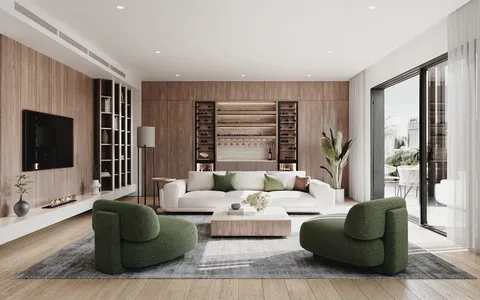
Designing for comfort and well-being
1. Choosing comfortable furniture
Choosing comfortable furniture is crucial for our physical and mental well-being. Firstly, furniture that supports our body and reduces discomfort can help us feel more relaxed. Additionally, it improves our posture and lowers the chances of developing muscle and bone problems. Therefore, it’s advisable to invest in comfortable and healthy chairs, mattresses, and sofas. By doing so, you create a better environment for living or working.
2. Using soft textures and materials
Soft and cozy textures, such as soft fabrics, fluffy cushions, and warm blankets, can create a sense of security and comfort. These textures can help with relaxation, stress reduction, and overall well-being, making our home or workplace more enjoyable and pleasant.
3. Design spaces for relaxation
Creating specific spaces for relaxation, like cozy reading spots or quiet meditation corners, can offer a much-needed break from the stresses of everyday life. These places provide a quiet place to relax, recharge, and find inner peace, which is good for overall health and mental stability.
Technology integration
1. Mindful layouts
When planning the layout of rooms in a house or building, it’s a good idea to consider ways to prevent excessive screen time on devices like phones and computers. For instance, arranging seats and furniture to encourage face-to-face conversations can be incredibly beneficial. It allows people to connect with others while relying less on digital devices.
2. Technology-free zones
Establishing technology-free zones in living spaces can provide individuals with dedicated areas to relax, read, or engage in activities that don’t involve screens. By doing so, people can unwind and divert their attention from screens, contributing to a more relaxed state of mind and reducing dependency on electronic devices.
3. Interactive design elements
Integrating interactive design elements such as board games, puzzles, or musical instruments can encourage people to play and spend time away from screens. It can also help them feel more connected to their homes and enjoy their time there.
4. Tech-conscious design accessories
Encouraging tech-conscious accessories involves incorporating items that help people employ their devices more mindfully. These accessories include cable organizers to keep things tidy, placing charging stations outside bedrooms to reduce distractions at bedtime, and using adjustable screen stands to find a comfortable position while using devices. The use of these accessories can help people form better tech habits and encourage a healthier balance in how they use their devices.
Bottom Line
Interior design can have a significant impact on our mental health. By using the power of interior design, we can create spaces that positively influence our emotions and well-being. This turns our homes and workplaces into places that not only look good but also provide comfort and peace of mind.
To recap, here are the main ways interior design influences our mental health:
Creating a calming and relaxing environment
- Using calming colors
- Embracing natural light
- Bringing nature indoors
- Keeping things tidy
Designing for comfort and well-being
- Choosing comfortable furniture
- Using soft textures and materials
- Design spaces for relaxation
Technology integration
- Mindful layouts
- Technology-free zones
- Interactive design elements
- Tech-conscious design accessories
About Ziba Property
Ziba Property is the ideal platform to start your search if you’re in the market for a new home, condo, or apartment. Our online property connects you with real estate agents and homeowners in your area by providing easy access to an extensive database of properties. With our user-friendly interface, you can navigate a wide range of options, refine your search based on location, size, amenities, and budget, and make informed decisions about your next property investment. To learn more about Ziba Property, please click here or download the app from the Google Play Store or the Apple App Store.
Frequently Asked Questions
1. Can the colors in my home really affect my mood?
Yes. Soft, cool colors like blue and green tend to promote calm, while warm neutral tones create a cozy, relaxed atmosphere. Choosing the right color palette can meaningfully influence mood and overall well-being.
2. Why does natural light matter for mental health?
Natural light affects mood and sleep patterns, and rooms with ample natural light tend to lift spirits and support a healthier living environment compared to spaces that rely mainly on artificial lighting.
3. What is biophilic design and how does it help mental well-being?
Biophilic design incorporates natural elements like plants, water features, and natural materials into indoor spaces. It’s been shown to reduce stress and create a more serene, calming environment.
4. Does clutter actually impact mental health?
Yes. Excess clutter can contribute to feelings of overwhelm and anxiety, while a clean, organized space promotes a greater sense of calm and helps improve focus.
5. How can I reduce screen time through home design?
Creating technology-free zones, arranging furniture to encourage face-to-face conversation, and using accessories like charging stations outside bedrooms can all help build healthier, more mindful tech habits at home.
Ready to Design a Space That Supports Your Well-Being?
The right home isn’t just about square footage; it’s about how it makes you feel. Whether you’re searching for more natural light, room for a relaxation corner, or simply a fresh start, the right property makes all the difference.
Explore homes, condos, and apartments that fit your lifestyle on Ziba Property

About the Author
Muhammad Amir writes about interior design, wellness, and the emotional impact of living spaces. He focuses on how simple design choices, from lighting to layout, can meaningfully support mental health and everyday well-being.
At Ziba Property, Muhammad works closely with the content and lifestyle teams to help homeowners and renters think beyond aesthetics as they shape their living spaces.