


How To Upgrade Your Home Office In 5 Steps
We hope to help you maximize your home office efficiency. Here are 5 steps on how to upgrade your home office for the long term.
The pandemic has forced most of the workforce to work remotely from home. While this is an exciting moment for those who always have a hard time commuting to work, it is equally challenging for those who have little or no space at home for a personal workspace. Since co-working spaces cost big bucks in membership and monthly fees, many workers have no choice but to transform their nooks into makeshift offices.
If you or your company plan to extend the work-from-home setup in the foreseeable future. Here are 5 steps to help you set up or improve your home office for the long term:
Find a comfortable space to work
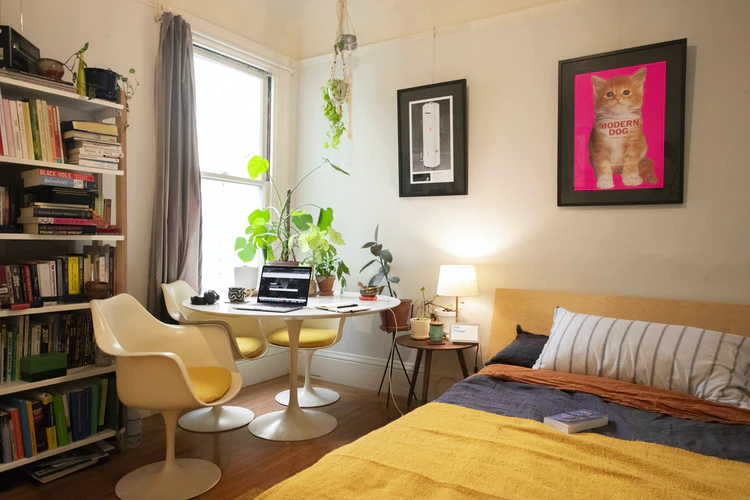
Situating your home office in your bedroom is only sometimes the best idea. Your bedroom is typically a place for relaxation. This is also why working in your room might cause productivity problems.
According to experts, your brain and body associate your room with rest. When you bring your work inside your bedroom, your body will most likely be tempted to doze off. Your mind may also start to slow down, thinking it’s time for you to rest or sleep.
On the flip side, when you get accustomed to working in your room, sleeping might be difficult as your mind associates your room with work.
If you’re living in a studio apartment (or there’s simply no more room available in your home), you may not have a choice but to utilize some space in your bedroom. You should set boundaries in your room to separate work from sleep and rest. Create an “official” work zone inside your room that will tell your brain you’re in a work mode instead of a rest mode. As much as possible, stay away from your bed when working. You could add dividers, bookshelves, and office furniture in your room to replicate an actual office.
Having a dedicated room for your office at home is the best solution. If you don’t have enough space, other options exist, such as your guest room, basement, attic, living room, or even a portion of your dining room.
If your house has a very limited area, try to maximize underused spaces. It could be under your stairs, large landings, or hallways. You can use flooring, rugs, or paint to mark your work zone. This will signal to your family members that you are working and shouldn’t be disturbed whenever you’re in your home office.
Invest in a comfortable chair
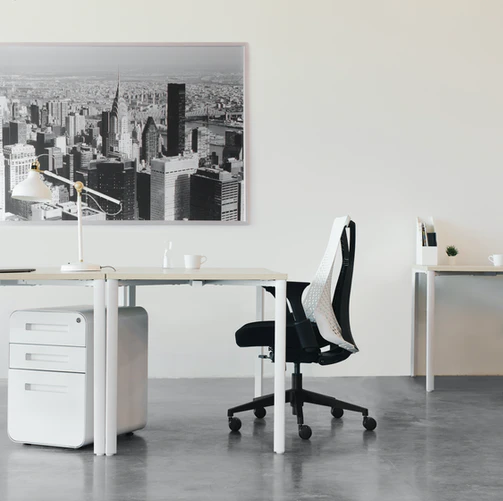
Whether you’re at home or in your workplace, sitting for long periods can cause strained back muscles. In setting up your home office, it is tempting to use make-shift or living room chairs to save on extra costs. However, this may pose serious health problems later on.
As such, buying an ergonomic and comfortable chair is a wise investment, especially if you’re planning to continue working from home for a long time. Ergonomic chairs are designed to support and help your body maintain proper posture while sitting for long hours.
Here are some features to consider before buying a chair for your home office:
- Seat height. Your chair must be easily adjustable based on your height. A seat height of about 16 to 21 inches from the floor will usually allow your feet to lay flat on the floor with your knees bent at a 90-degree angle.
- Lumbar support. Your chair must be able to support your lumbar spine to prevent back muscle pains after sitting for 7 or 8 hours. It must have a lumbar adjustment (both in height and depth) that can give you a proper fit to support the inward curve of your lower back.
- Fabric. The material of your chair is also important. Choose a chair that has breathable fabric and enough padding. This will help you sit comfortably for extended periods.
- Backrest. Having a chair with a comfortable backrest will enable you to rest your back properly when working. A good ergonomic chair should have a 12- to 19-inch wide backrest that can support the natural curve of your spine and neck.
- Armrests. Your chair’s armrest should be adjustable. It should also allow your arms to rest comfortably and your shoulders to be relaxed.
- Swivel. Being able to rotate your chair will allow you to easily reach different areas of your desk without straining your back.
Buy a sturdy desk
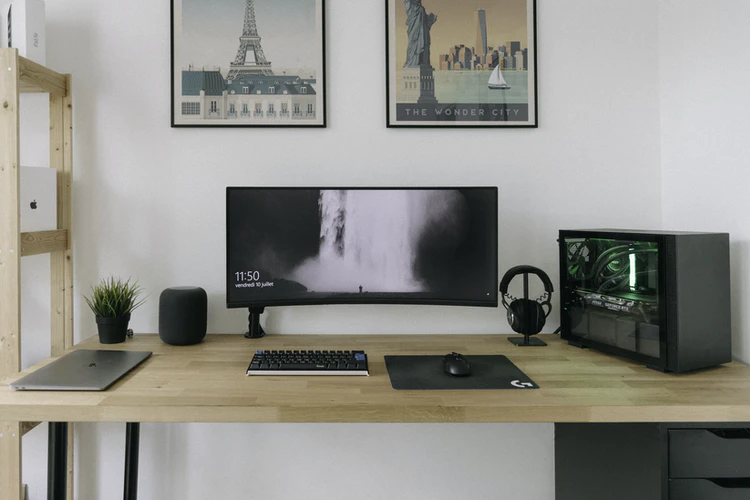
A dedicated desk will give your home office a motivating work environment. While using a kitchen or coffee table might save money, having a proper work desk will improve your productivity, keep you organized, and prevent possible injuries. It will also minimize inconveniences to your family members while you work. So, buying a sturdy and ergonomic desk will be another investment.
Here are some tips when buying a desk for your home office:
- Determine how you will use your desk. If you need space for computer work, choose a desk with enough compartments for your CPU and other computer components. If you use your desk mostly for paperwork, choose a desk with a wide surface that will accommodate your folders, spreadsheets, books, and piles of papers. Some desks, such as L-shaped or U-shaped models, allow computer work and paperwork.
- Buy a desk that will perfectly fit in your home workspace. If you’re tight on space, you may want to consider an L-shaped desk to maximize the room’s corners. You may also consider buying a compact computer desk or a mobile computer cart.
- Your work habits and tools may also affect the type of desk you need. If you’re the “creative genius” type who works best on a messy desk, you may need a wider workstation for your tools and materials. If you’re the minimalist and neat type, having a smaller desk will work just fine.
- The quality of your desk is evident in its overall construction, especially the drawers. The drawers must be able to slide out to their full length to fully utilize drawer space. You should also examine the corners and edges of the desks to make sure the desk is durable. Checking the desk’s warranty can give you an idea of its durability and quality.
- It is important to choose an ergonomic desk that provides clearance for your legs and prevents you from slouching. A good desk height should be between 29 to 30 inches from the floor.
Maximize natural light
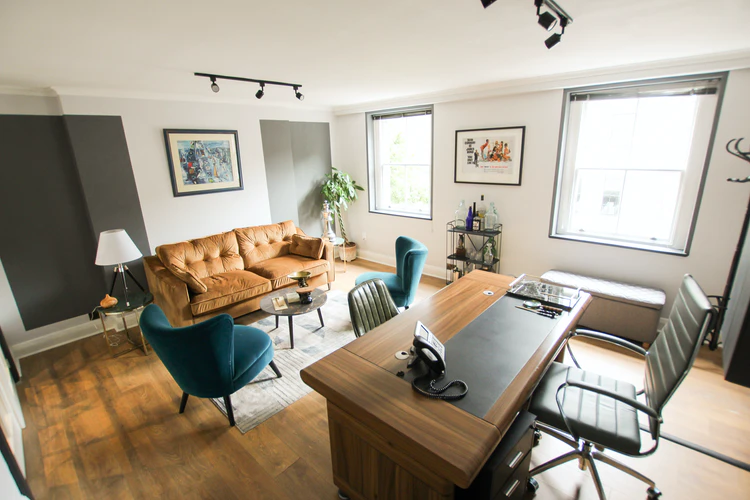
Studies have shown that natural light boosts productivity in the workplace. This is also true in home offices. There are many benefits to using natural light. Natural light motivates people to be more engaged with their work. It boosts vitamin D and reduces health risks from fluorescent lighting.
Natural light also makes the space look more open and inviting. More importantly, natural light minimizes the need for fluorescent lighting. This will help reduce energy costs, especially since working from home is expected to increase your monthly electric bills.
So how do you maximize natural light for your home office? Here are some tips:
- Add mirrors near your windows. Mirrors help reflect sunlight, which brings more light into your room.
- Minimize the use of drapes. While curtains improve the aesthetics of your dreary walls, allowing more natural light may add brightness and color to your room. If you can’t do away with curtains, you may choose light curtain fabrics to allow more sunlight into your room. Another option is to use blinds and keep them raised throughout the day.
- Paint your room wisely. Using reflective colors for your walls is a great way to maximize natural light. While white is the most reflective color, light-colored pastels, earthly green, eggshell wash, and yellow are great options, too. They not only reflect sunlight in your room but also boost work ambiance and productivity.
- Choose a space near large windows. This is probably the easiest way to maximize natural light. Your best option might be finding a space in your living room or bedroom.
Add indoor plants
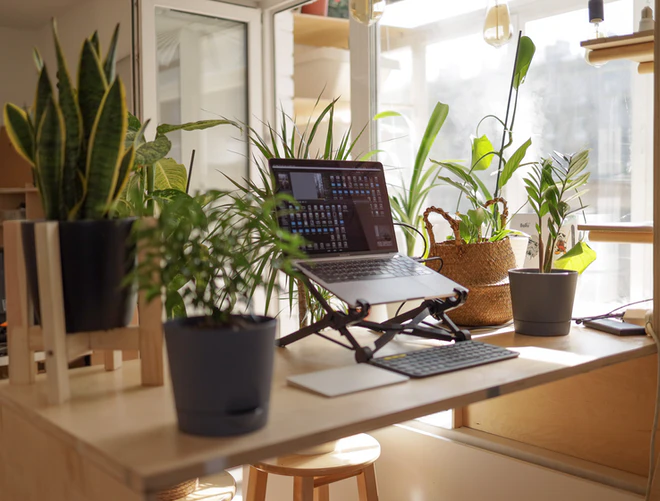
The long COVID lockdowns have increased the popularity of houseplants. Adding an indoor plant to your home office is more than just enhancing its aesthetics. Studies have shown that indoor plants increase employee satisfaction in the workplace, improve concentration, and improve air quality.
If you’re unsure about which plant to decorate in your home office with, here are some of our suggestions:
- Snake plant. This is a low-maintenance plant that is known to survive droughts. Research has shown that snake plants can filter harmful chemicals in the air, such as formaldehyde and benzene.
- Spider plant. While this plant instantly adds a jungle vibe to your home office, it is also known to be a strong air purifier. If you plan to have such a plant, please note that it needs bright light to thrive.
- Aloe vera. Aside from its healing benefits, aloe vera is a low-maintenance plant that can add color to your room and purify the air from formaldehyde.
- Cactus. Despite being known as a desert plant, cacti can thrive in a home environment. They also have air-purification properties. Furthermore, they can help reduce background noise in your home by reflecting sound off and away from you.
Design your home office your way
Creating your own home office stretches your imagination and creativity in ways that are otherwise impossible to showcase at work. Whether you plan to continue working from home or return to the office once community restrictions are fully lifted, having a personal home office is a great investment.
Your home office need not be expensive or lavish. It could be anything, and anywhere you want it to be. What’s important is that your home office provides the privacy and comfort you need to be productive. Aside from it being efficient and cozy, it should also reflect your unique personality. So make sure to choose the right furniture and decor that best suit your taste.
If you haven’t set up your dedicated home office yet, here’s a recap of our five tips:
1. Find a comfortable space to work
2. Invest in a comfortable chair
3. Buy a sturdy desk
4. Maximize natural light
5. Add indoor plants
Have you set up your home office already? Let us know in the comments section!
If you haven’t found your dream home yet, download the Ziba Property app for free to search for residential properties within your desired community. The Ziba Property app is available on the Google Play Store and Apple App Store.
FAQs
Where’s the best place to set up a home office?
A dedicated room works best, but underused spaces like a guest room, basement, or corner of the living room can also work well. Avoid working from your bed to help your brain separate rest from work.
What should I look for in an ergonomic office chair?
Look for an adjustable seat height, proper lumbar support, breathable fabric, a supportive backrest, adjustable armrests, and swivel capability to reduce strain during long work hours.
How do I choose the right desk for my home office?
Consider how you’ll use the desk (computer work, paperwork, or both), the available space in your home, your work habits, and build quality, including drawer function and desk height.
Does natural light really improve productivity at home?
Yes. Natural light has been shown to boost engagement, support vitamin D levels, and reduce reliance on artificial lighting, which can also help lower energy costs.
Are indoor plants actually beneficial for a home office?
Yes. Certain plants like snake plants, spider plants, and aloe vera can help purify indoor air and have been linked to improved concentration and overall workplace satisfaction.
Ready to find a home with the perfect office space?
Still searching for a home that fits your work-from-home lifestyle? Browse listings on Ziba Property to find the space you need to build your ideal home office. Search homes on Ziba Property.

About the Author
Muhammad Amir is a real estate writer at Ziba Property. His work focuses on helping homeowners and remote workers create functional, comfortable living spaces, from home office setups to broader home improvement tips.

